Besek College
Besek College
We are committed to providing our learners with the highest quality educational programs, designed by the GDE to help them achieve the foundation base required for future learning.
Our teaching and learning programs are based on the National Curriculum Statement (NCS).
General aims of the South African Curriculum
(a) The National Curriculum Statement Grades R-12 gives expression to the knowledge, skills and values worth learning in South African schools. This curriculum aims to ensure that children acquire and apply knowledge and skills in ways that are meaningful to their own lives. In this regard, the curriculum promotes knowledge in local contexts, while being sensitive to global imperatives.
(b) The National Curriculum Statement Grades R-12 serves the purposes of:
• equipping learners, irrespective of their socio-economic background, race, gender, physical ability or intellectual ability, with the knowledge, skills and values necessary for self-fulfillment, and meaningful participation in society as citizens of a free country;
• providing access to higher education;
• facilitating the transition of learners from education institutions to the workplace; and
• providing employers with a sufficient profile of a learner’s competences.
(c) The National Curriculum Statement Grades R-12 is based on the following principles:
• Social transformation: ensuring that the educational imbalances of the past are redressed, and that equal educational opportunities are provided for all sections of the population;
• Active and critical learning: encouraging an active and critical approach to learning, rather than rote and uncritical learning of given truths;
• High knowledge and high skills: the minimum standards of knowledge and skills to be achieved at each grade are specified and set high, achievable standards in all subjects;
• Progression: content and context of each grade shows progression from simple to complex;
• Human rights, inclusivity, environmental and social justice: infusing the principles and practices of social and environmental justice and human rights as defined in the Constitution of the Republic of South Africa.
To ensure quality and compliance at this level, each subject is taught with subject policy guidelines as directed by the Department of Basic Education. English Language as a subject at Besek College, is taught at Home Language level.
Foundation Phase: Grade 1 - 3
Grade 1 – 3
Intermediate Phase: Grade 4 -6
Grade 4 – 6
Co-Curricular Activities
Co-curricular activities, sporting and cultural, are those activities that take place outside of the regular classroom, and are meant to reinforce or supplement classroom curriculum. In some instances, some of the activities could be credit bearing. Each learner is expected to take part in at least one of the following:
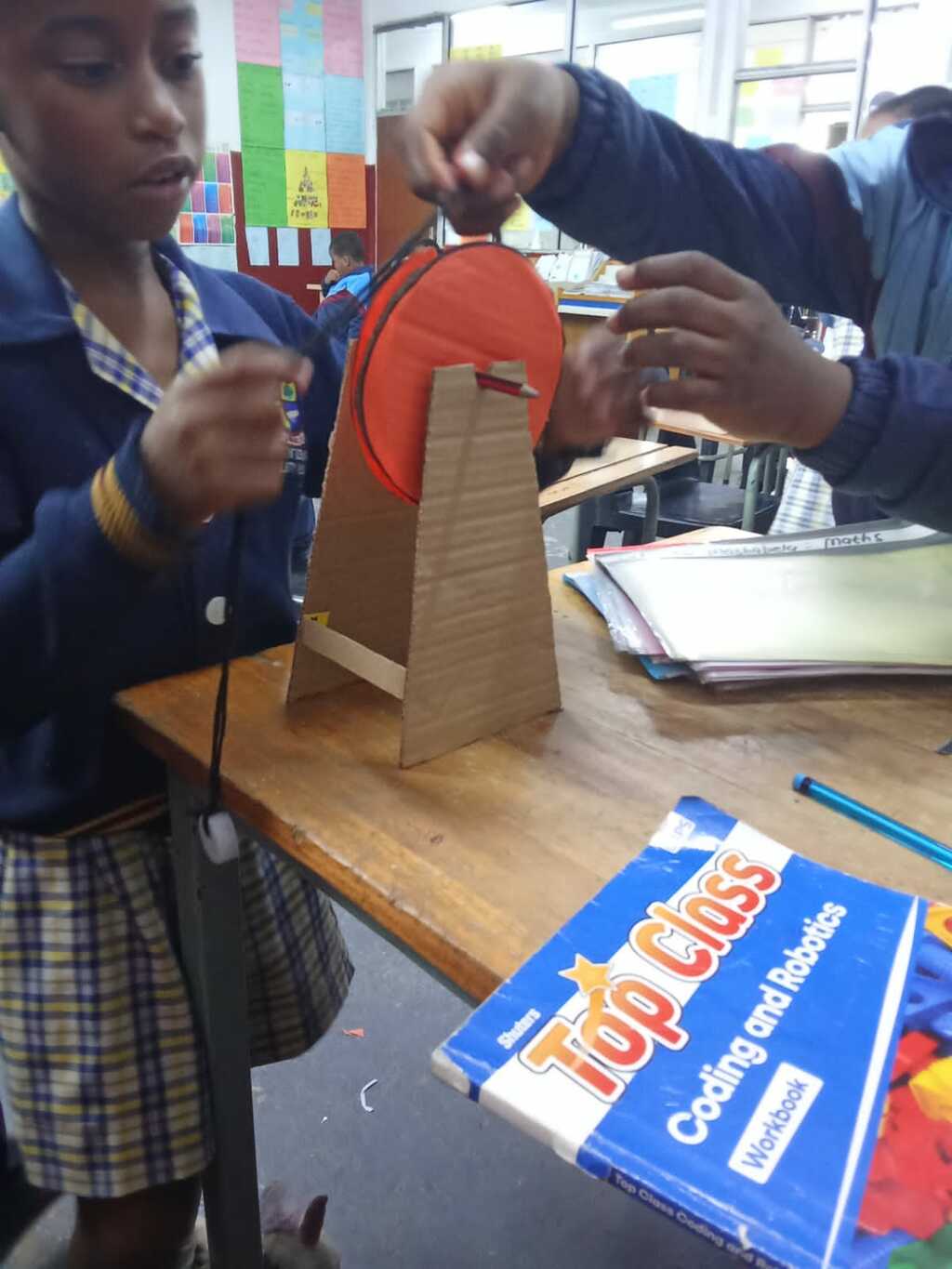
We also offer extra activities which are optional at a cost on Saturdays only, such as Stem Education with emphasis on Coding, Robotics etc. and Entrepreneurship for Kids.
GRADE 7 IS INCORPORATED INTO HIGH SCHOOL. PLEASE CHECK UNDER SENIOR PHASE
EVERY DAY IS OPEN DAY! REGISTER NOW!
TO ENSURE AND MAINTAIN OUR GRADE 12 RESULTS, WE DO NOT TAKE IN FRESH GRADE 12 LEARNERS FROM OTHER SCHOOLS
Besek College is a safe place and the culture of the school promotes learning. Learners feel connected to staff, and healthy relationships are valued. The school and its small sized classrooms reflect a “warm”, caring environment. High expectations exist for staff, learners, and parents.
Don’t take our word for it. Ask Around!
“A teacher’s greatest lesson isn’t found in the curriculum—it’s found in the way they make students believe they matter.”
Learner-Centric Focus
We prioritize the needs and engagement of learners, fostering active participation in the learning process.
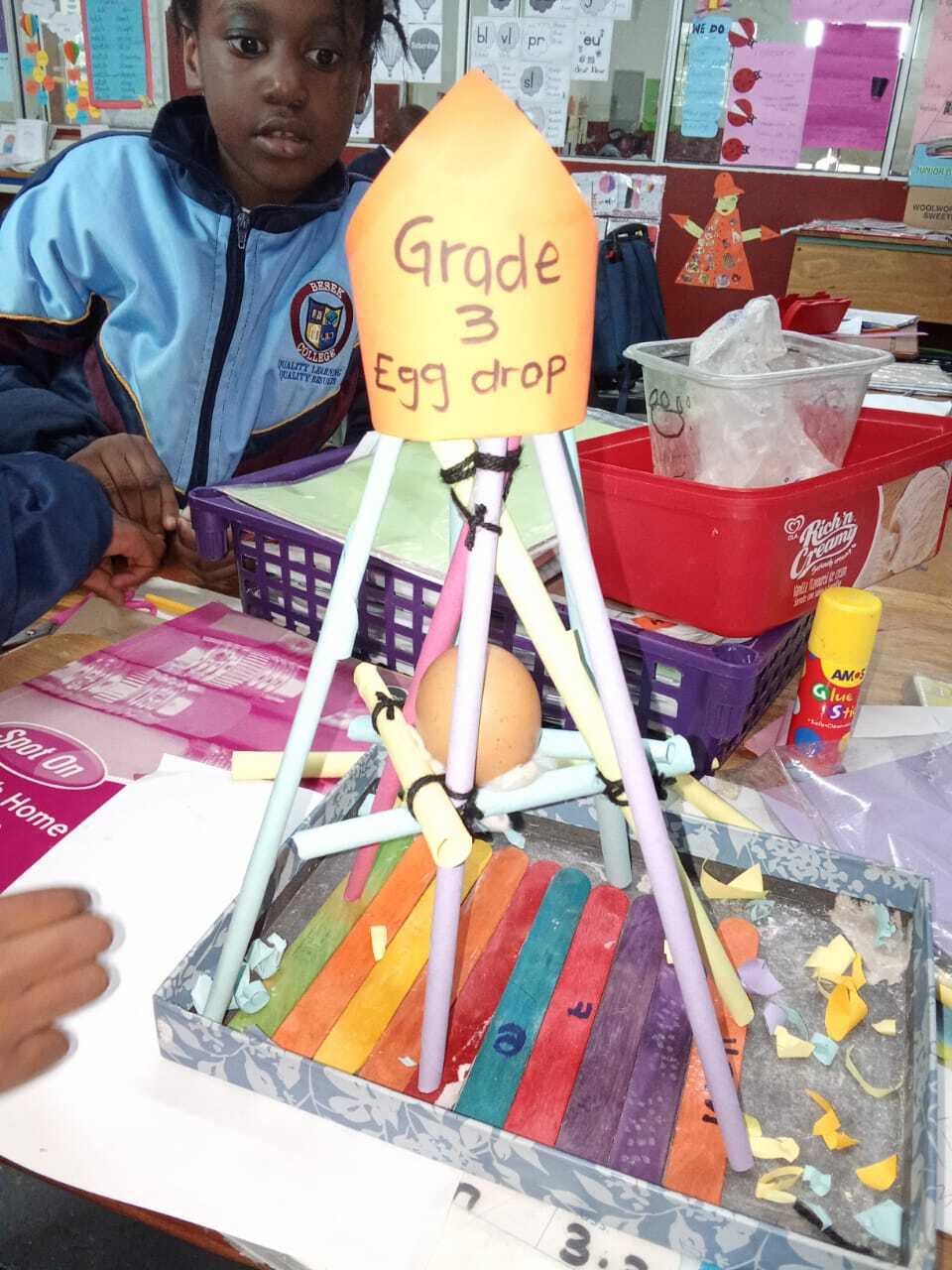
Active Learning
We encourage hands-on and participatory activities, moving away from passive learning to promote deeper understanding and retention.
Flexibility and Adaptability
We adapt to the diverse learning styles and needs of students, offering flexibility in content delivery and new teaching methods.
Technology Integration
We utilize technology creativity to enhance effective learning experiences, incorporating digital tools and resources for effective and interactive instruction.
Collaborative Learning
We emphasize on group work, collaboration, and peer learning to enhance social and communication skills among learners.
Problem-Solving Emphasis
The focus is on developing critical thinking skills and problem-solving skills, challenging learners to apply knowledge in real-world scenarios.
Continuous Assessment
In addition to traditional exams, we implore and implement continuous assessment methods, providing ongoing feedback for improvement.
Creativity Encouragement
Cultivates a learning environment that stimulates creativity and innovation, allowing learners to express themselves and explore new ideas.
YEAP!!
Just Do the Following: